The Conversation About Energy In Canada Must Change
Despite the temporary reprieve Canada received from U.S. tariffs — with President Donald Trump’s threat to announce such measures on the first day of his administration not coming to pass — the danger of this happening at some point persists.
The fact that this country is in a position where it’s still largely dependent on one customer — the U.S. — and therefore vulnerable to the extent that it is to U.S. tariffs on energy is very much self-inflicted.
The main culprit? Canada’s lack of ability to build sufficient infrastructure in a timely way to export more of its oil and gas to international markets.
To begin making headway on this issue, I argue that the national political conversation around energy infrastructure in this country must change from a binary one that’s overly focused on the development versus environment debate — for example, net zero or bust — to one that is more complex and weighs other important factors.
Canada is still vulnerable
As he begins his second term, Trump is ordering his officials to first examine U.S. trade relationships for unfair practices and investigate whether China has complied with an earlier trade deal.
While there’s still uncertainty about if and when he’ll follow through on tariffs to Canadian goods, this question is largely moot: politicians in Canada must be proactive on this issue, regardless of what the U.S. does or doesn’t do.
That Canada remains economically vulnerable on the energy file is a problem largely of its own making.
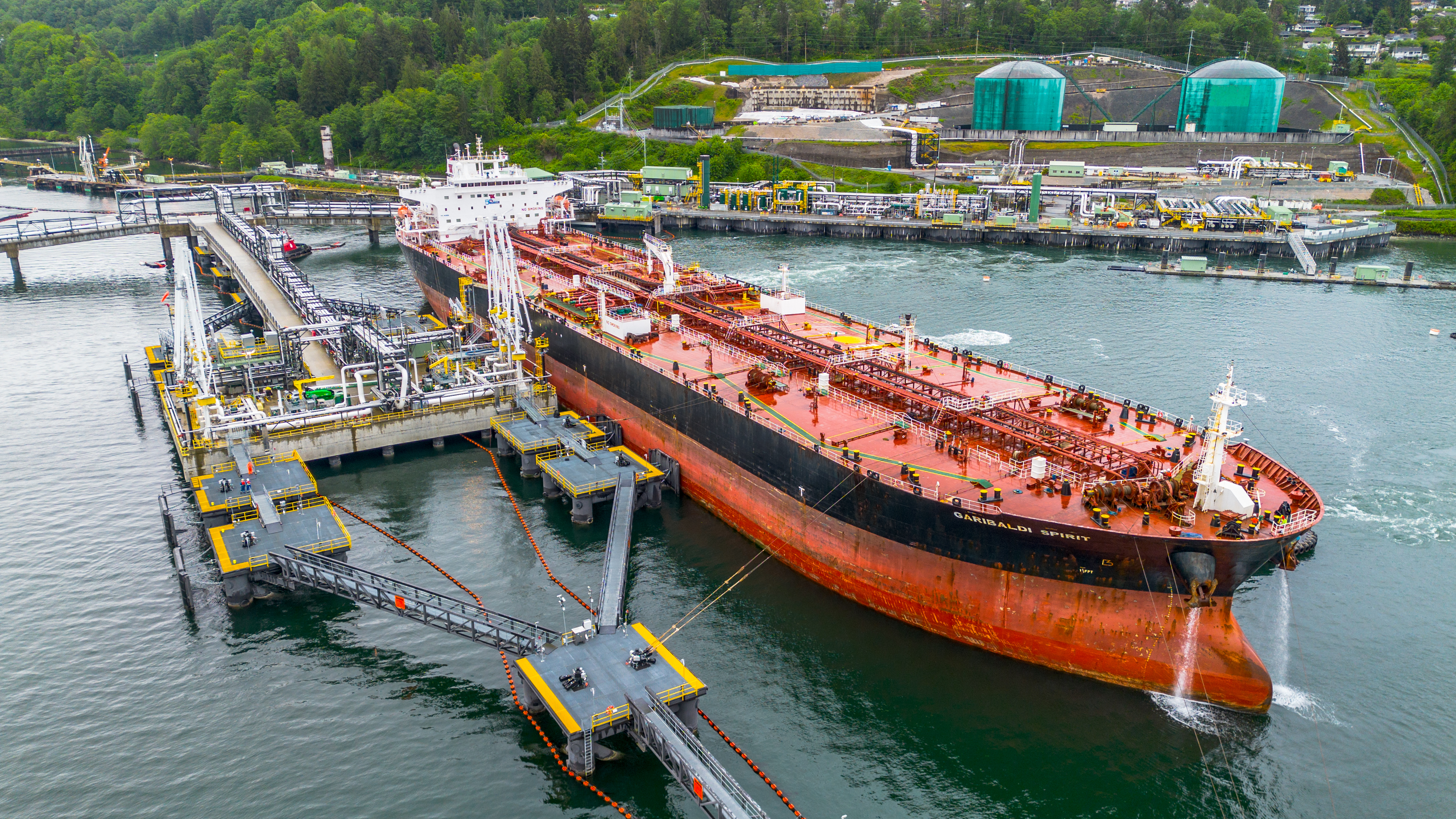
While it’s fantastic that the Trans Mountain expansion has been in operation for more than half a year, and LNG Canada is set to come online in mid-2025, it’s simply not enough.
It’s taken the country far too long to build the proper conduits to access other customers, and it’s not giving us the leverage we need with the U.S.
I would argue that a big issue in this country is that national debates have been largely framed up as an either/or, politically — if you’re for energy development, you’re against the environment and vice-versa.
We saw this binary argument on display with the Charlie Angus bill and the subsequently passed Bill C-59.
In these cases, it’s zero-sum — the environment is pitted against energy development. When you have binary thinking, people will choose sides.
This has left other critical issues out of the discussion, or at least it has marginalized them over the years. These include economic security; geopolitical security, both nationally and internationally; and Indigenous ownership in energy projects (while the Alberta government created the AIOC years ago, the federal government didn’t establish an Indigenous loan program until early last year).
Of course, the environment should be a part of this mix.
As I’ll argue below, it’s time for politicians in this country, particularly at the national level, to “complexify” the conversation around energy infrastructure, and move away from a binary one.
Move away from a two-sided issue
Examining issues as an either/or is what the American psychologist Adam Grant calls the “binary bias.”
“We might believe we’re making progress by discussing hot-button issues as two sides of a coin, but people are actually more inclined to think again if we present these topics through the many lenses of a prism,” he notes in his book Think Again.
A dose of complexity can disrupt overconfidence cycles and spur rethinking cycles, he argues.
In the case of energy infrastructure debates, bringing complexity is imperative. It needs to include a more diverse set of issues relevant to the national interest.
As we’ve seen from what’s happened in Ukraine/Russia and Trump’s rhetoric, the world has changed. On this score, politicians must ensure that Canada is resilient. The only certainty is uncertainty — we know for sure that things do change — and politics and politicians can be capricious.
This is where preparation becomes critical.
Diversifying markets
Back in 2022 Prime Minister Justin Trudeau said “there has never been a strong business case” for LNG terminals on the East Coast during a visit by German Chancellor Olaf Scholz, who came seeking a “major role” for Canada in replacing Russian supplies.
Germany’s Economy Minister Robert Habeck warned Europe this week not to become overly reliant on U.S. energy and urged the region to stick together in response to the new Trump administration.
Unfortunately, Canada isn’t ready to meet this German need right now with LNG exports directly from the East Coast. This is a clear example where Canadian economic and geopolitical interests would merge.
As Peter McArthur, chair of Canada Cleantech Alliance, explained to DOB Energy: “You don’t ever want to have all your eggs in one basket.
“The world is a less friendly place, maybe you need more friends.”