Exclusive There’s An Increasingly Multigenerational Workforce In Canada’s Energy Industry. Here’s How To Manage It.
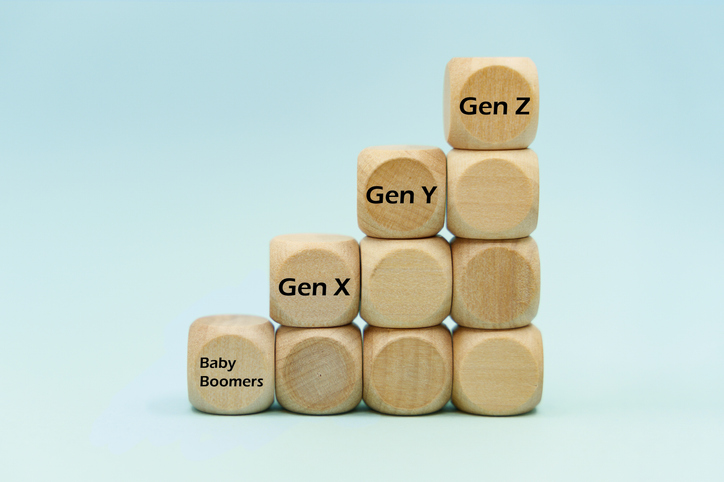
Canada’s oil and gas industry is grappling with an increasingly multigenerational workforce, combining employees across a vast age spectrum.
Experts say that this diversity may present challenges but is essential for driving innovation, preserving institutional knowledge, and addressing complex issues critical to long-term success.
Diversity always supports better ideas, said Wendy Giuffre, president and principal consultant at Wendy Ellen Inc., and that certainly holds true in the Canadian energy space — including in terms of a multigenerational workforce.
In energy services, for example, that could mean passionate youth collaborating with wise elders to improve workflow. She noted that the “old ways” are often the best, but they should be constantly challenged as well. “It’s a great mix.”
Based in Calgary, Giuffre’s human resources consulting firm predominantly serves small- to- medium-sized companies, including clients across the oil and gas sector. She has observed a growing trend of energy workforces featuring broader generational representation.
Many Baby Boomers, for example, are choosing to work longer for various reasons, including maintaining their preferred lifestyles.
“They don’t want to retire in the old, traditional way of retiring — there are a lot of older people in their 60s and 70s who still want to consult, work part time and continue to contribute in some way,” she told DOB Energy. “Older people are healthier than they were [in previous periods], when many people deteriorated a lot earlier. People still want a lifestyle, and to fund that a lot of people need to keep working.”
According to Richard Field, professor, Alberta School of Business – Department of Strategy, Entrepreneurship and Management, University of Alberta, rather than an ‘age pyramid,’ Canada’s generational workforce mix appears to be more evenly split across so-called Baby Boomers, Gen X, Millennials and Gen Z.
He sees a diverse generational presence creating intriguing dynamics in how employees collaborate and adapt at work, including in the energy sector.
Overall, though, Field said this is positive, as ensuring balanced generational representation in organizations to reflect diverse perspectives is essential. If a single generation’s viewpoint dominates, which happens, it can lead to disconnects with customers, regulators and society.
Overrepresentation of any demographic risks creating a narrow, biased outlook, he added, which can erode organizational relevance.
“If Canada is this population column, then every organization needs to have those generations represented in their workforce at roughly the same proportion. We make the same argument with demographics. The kinds of people who live in a place such as Canada should be represented, especially in the major organizations of Canada.”
Generations overview
Baby Boomers (born 1946 to 1965) were shaped by post-war economics, growing up in relative abundance and optimism, with easier access to education and jobs, Field noted. They may struggle to relate to younger generations’ challenges.
“The idea would be that they don’t understand why young people are complaining. [For] Millennials, it was hard for them to get into university. There was a lot more competition to get into the programs they wanted.”
Generation X (born 1966 to 1980) is sandwiched between Boomers and Millennials, he said. This group may feel overlooked, with media and opportunities having favoured Boomers most of their lives, while many of them grew up too late to experience personal digital technology from a young age. Fewer in numbers, Gen X may feel frustrated as Boomers delay retirement and Millennials adapt better to emerging technologies. “And so, they feel squeezed.”
Millennials (born 1981 to 1996) grew up during the rise of personal computing, the internet and globalization. This group tends to be tech-savvy and culturally open, suggested Field. They are seen to be apt at bridging the generational gaps by teaching older people about technology while adapting to global and economic shifts. He added that they do not feel threatened by Boomers.
“Boomers and Millennials get along because they’re not competing with each other.”
Generation Z (born 1997 to 2012) emerged during heightened national security post-9/11 and amid rises in global environmental concerns, noted the professor. Therefore, Gen Z is highly aware of global issues such as climate change.
They may be more inclined to prioritize sustainability and seek ‘green’ solutions while balancing energy needs. “They [feel they] probably should care more about the environment, social issues, and making the world a better place.”
Celebrating strengths, addressing weaknesses
Emerging leaders with a focus on flexibility, Millennials are driving changes in work-life balance that impact Gen X and Boomers, made possible largely through modern technologies, said Giuffre. Many of her clients are Millennial entrepreneurs who approach scheduling and benefits differently than older generations.
“They understand the reasons for working. They want to enjoy their lives, and they want to integrate it with their work.”
As technology changes rapidly, so too have workplace expectations and lifestyles, she noted. Among the changes brought by COVID-19, she added, the lockdowns made people more cognizant of how much time they spend in the office, commuting, and away from their families and friends. Younger people who were earlier in their careers or just entering the workforce — Millennials and Gen Z — saw the potential implications both professionally and personally.
“We talk about work-life balance, but it’s more about work-life integration,” Giuffre said, adding that workplaces can learn a lot from Millennials and Gen Z around what matters in life. “There’s a lot to be learned both ways.”
Unlike Millennials and Gen Z, who tend to rely more on digital communications, Boomers and Gen X still prefer face-to-face communication, she added, which is good.
Although COVID-19 forced these older generations to adapt to virtual tools, bridging some gaps, Giuffre sees face-to-face interaction as still valuable for cultivating team connections in a hybrid workplace. She encourages in-person office days to balance traditional and modern communication styles.
“For the art of conversation, like true conversation, some of that has been lost. With some of that being lost, so too has intention, emotion. I do a lot of conflict resolution in my practice, and there’s so much that can be resolved through actually talking to people. That’s what conflict resolution is all about. Things get misconstrued in emails and texts.”
She added: “Everyone thinks it’s Boomers and Gen Xers who are struggling, but it’s not. It’s younger generations struggling with the older ones as well. It’s really an education piece, and you have to be flexible in today’s world.”
Health and benefits program flexibility
With all the disparate generational needs, it is important for organizations to ensure there is enough flexibility in benefits programs to meet the needs of younger workers just starting their careers, older ones nearing retirement, and those with different mental and physical health challenges, Kim Lloyd, senior manager of human resources, McKinsey & Company, said during a recent Dialogue Health Technologies Inc. webinar on multigenerational workplaces.
Marc Robin, medical director at Dialogue, told the webinar that generational health priorities often reflect age and cultural context.
Boomers focus on managing chronic conditions, cancer screenings, regular doctor visits, et cetera. In contrast, Gen Z prioritizes quick, app-based care for acute needs, valuing convenience over ongoing relationships with health care providers. Millennials tend to share this preference for instant access over traditional appointments.
He added that mental health awareness has grown, with younger generations more open to discussing mental health compared to older ones, for whom it was once taboo. These shifts highlight how age and evolving cultural norms shape generational approaches to health care, which employers must consider in their programs.
“And so, how do we manage to meet people where they are and join in that conversation about what’s important to them?”
Meanwhile, Lloyd said personal finance is one program her company has assessed thoroughly over the years, the needs and preferences for which vary based on a worker’s life stage. However, Giuffre said defined benefit pensions have become less prevalent, even for older workers unless in union jobs or receiving honours from an older program. There are RRSPs with matching services, she added, and younger workers need better education on these benefits.
Some employers in the energy sector are handling the multigenerational workforce better than others, she added, and education and flexibility are the keys to success in this regard.
“[Benefit plans] need to be as flexible as they can, because someone in their 20s doesn’t want to pay for the prescription drugs of someone in their 50s or 60s.”
More people are forgoing salary for more vacation, noted Giuffre, and mentorship programs are important, both older-to-younger as well as younger generations mentoring the older ones on new skills and technologies. Another consideration is tailoring the workplace to meet the likely career plans of different age demographics.
Engineering perspective; Gen Alpha attributes
Having taught engineering and business students in Fort McMurray and Edmonton, Field has observed the diverse hiring practices in Canada’s oil and gas industry, with engineers coming from various global cultures, bringing unique experiences that do not align with Canada’s generational definitions.
However, he suggested, engineering is unique in that despite cultural, age, or other demographic differentiators. Practitioners are united by a strong engineering culture.
Regardless of their origins and ages, engineers from diverse backgrounds share a similar mindset and approach to problem-solving, shaped by their training and professional experiences. This shared perspective helps bridge generational and cultural gaps, supporting a cohesive professional environment in the engineering field.
“To that extent, the ‘generations’ might have a little less impact, because you’re talking to people who think the same way to some extent because of how they’re trained to be analytical and quantitative. There’s a ‘right’ answer.”
Finally, Field highlighted Generation Alpha (born 2013 to 2021), which will start entering the workforce in the coming decade. Shaped by experiences such as COVID-19, border closures, climate change and the rise of electric vehicles, he said, their perspectives may differ significantly from previous generations, potentially impacting their career choices and attitudes toward the energy sector.
“But this is all guesswork for Gen Alpha. We don’t know yet.”