Low Carbon Solutions Chevron Leveraging Smaller Start-Up Innovation With Continued Major Investment
Chevron Corporation’s move into low-carbon venture investment has been “very positive,” according to its chief executive officer, while discussing the company’s third and largest fund yet.
Earlier this month, Chevron Technology Ventures (CTV) launched the $500 million Future Energy Fund III. The company describes CTV as pursuing externally developed technologies and new business solutions that can potentially enhance the way Chevron produces and delivers affordable, reliable, and ever-cleaner energy.
During Chevron’s first quarter of 2024 earnings call, the company’s chair and CEO Mike Wirth was asked what the company saw from the fund’s first two installments that led it to a third. Funds I and II were $100 million and $300 million, respectively.
“Through Funds 1 and 2, we've invested [in] more than 30 companies already,” he replied. “We're collaborating with 250 or so other co-investors in these companies. We can serve as a pilot bed for their technology, so we can help them bring things from the lab and kind of bench scale out into the real world.”
The first two funds are not fully-subscribed to date, but are “getting there,” added the executive.
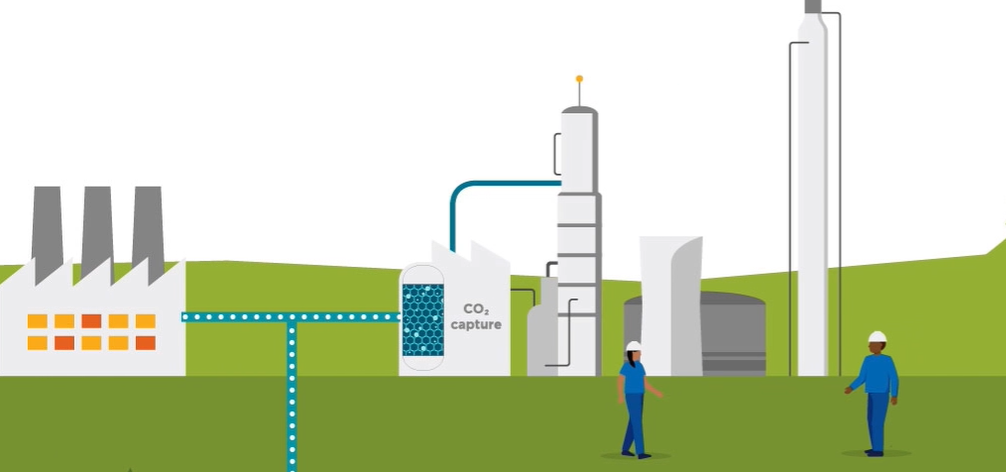
Wirth said he visited one of its carbon capture pilots located in the San Joaquin Valley, California last year, highlighting that the company’s technology is aimed at improving efficiency and reducing the cost of carbon capture.
“We're looking at things like industrial decarbonization, hydrogen, emerging mobility, energy decentralization, the circular carbon economy,” he added. “And what we're really looking to do is support innovation in things that we probably aren't doing within the company, within our own R&D or scale up.
“What we're doing in our venture investing is trying to develop these new technologies, new materials, new novel ways to integrate AI and other kinds of technology systems to help solve some of these problems. And hopefully, we find things that will help our business and help the world.”
Among the Future Energy Fund’s investments to date are with Edmonton start-up Aurora Hydrogen.
Wirth noted that Chevron has been in the venture investing business going back to the late 1990s.
“ … Over the 25 years, we've more than earned our money back in our return on our investment,” he said. “Not every one of these companies is successful, but we've seen a lot of technologies move into our business. We've seen a lot of the companies become successful. And there's a lot of innovation going on out there.
“This allows us to leverage ourselves into smaller start-up innovation that we might not otherwise see. So, it's been very, very positive for us, and we're excited to announce the new fund.”
Chevron advancing renewable projects
During the Q1 2024 call, Wirth spoke about two projects from its renewables portfolio, including an oilseed processing plant in Louisiana reaching final investment decision. This is through the company’s joint venture Bunge Chevron Ag Renewables LLC.
It will feature a very flexible design, something that’s important because it provides feedstock flexibility, which matters in any fuels manufacturing business, he said.
“In this case, we can process soybeans and soft-seeds, but we can also be able to process winter oilseed crops, things like winter canola, covercress, and so it gives us a greater range of potential feedstocks that can then feed into our renewable fuels business.
Wirth singled out the Geismar renewable diesel project, which will start up later this year.
According to the CEO, “It's really important that we have exposure across these value chains.
“Just like in our traditional business, being able to catch all margin across the value chain as it moves is important. Having flexibility, scale and reliability are important. All of those underpin the investment decision there.”
Wirth also touched on the company’s first solar-to-hydrogen production project. He said it is expected to use existing assets, and it will be integrated into the value chain.
“We've got another venture that is building hydrogen refueling facilities in California,” said the executive. “So, we're leveraging existing assets, existing value chains and capabilities to invest here.”
An analyst asked what underpins the company’s confidence in these projects, such as commercial, technical, or regulatory support.
“There are markets, maybe to your point about economics, that are in some ways heavily influenced by government policy, be it the Renewable Fuel Standard and the Low Carbon Fuel Standard, which affect renewable fuels or some of the things in the investment or the Inflation Reduction Act that affect hydrogen,” said Wirth.
“And so it makes them a little bit different than our traditional business, which really works off market fundamentals. But we look at a lot of cases there, and we invest in projects where we believe there's confidence that over time, we can generate a good return.”